
Leading Manufacturer & Supplier
Submersible Pumps for Water Treatment and Municipal Wastewater
JB Pumps manufactures submersible sewage pumps, sludge pumps, dewatering pumps, and mixers for sewage pumping stations, STPs, CETPs, and urban stormwater networks. These pumps are built for round-the-clock duty in the systems that cities depend on.
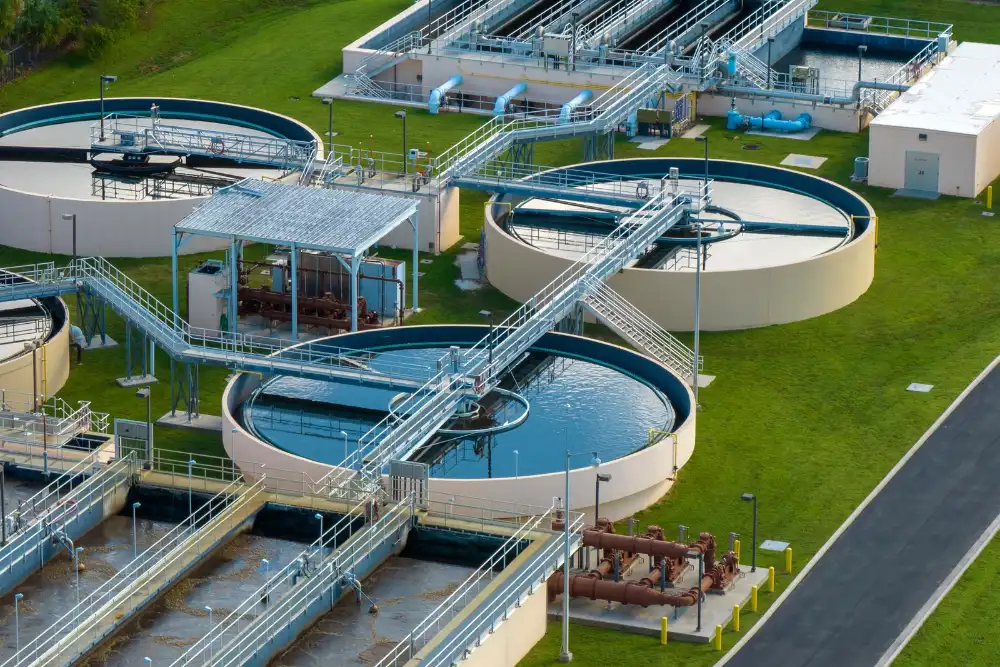
Built for the Demands of Municipal Water Systems
Municipal wastewater systems operate around the clock, and treatment plants depend on reliable pumping. During the monsoon, stormwater networks must accommodate rapidly rising peak flows. Raw sewage may carry rags, plastics, grit, and fibrous waste that can obstruct pumps not designed for solids-handling duty. Hydrogen sulfide in wet wells can contribute to corrosive conditions, including sulfuric acid formation on exposed surfaces. When a municipal pump fails, sewage may overflow, roads may flood, and utilities can face public complaints and regulatory scrutiny.
At JB Pumps India Pvt. Ltd., wastewater handling is our core expertise. We manufacture submersible sewage pumps (JBSP Series) and sludge pumps (JBSL Series), along with dewatering pumps and submersible mixers, for collection systems, lift stations, treatment processes, sludge handling, and treated-water transfer. Each pump is selected based on the required flow, total dynamic head, solids characteristics, wastewater chemistry, duty cycle, and wet well conditions to support reliable operation during peak-flow periods.


Pumps Installed
Satisfied Clients
Successful Projects
Google Rating
Water Treatment and Municipal Applications We Serve

Sewage Pumping & Lift Stations

Sewage Treatment Plants (STP)

Common Effluent Treatment Plants

Sludge Handling & Digesters

Stormwater & Urban Flood Control

Water Treatment Plant Residuals

Drain & Nala Desilting

Treated Water Reuse
Submersible Pumps Recommended for Water Treatment and Municipal Use
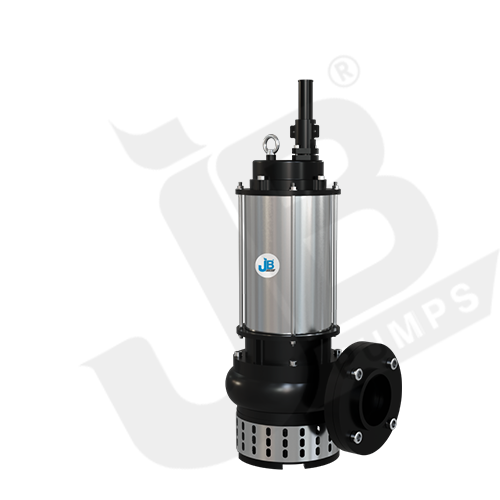
Submersible Sewage Pump (JBSP Series)
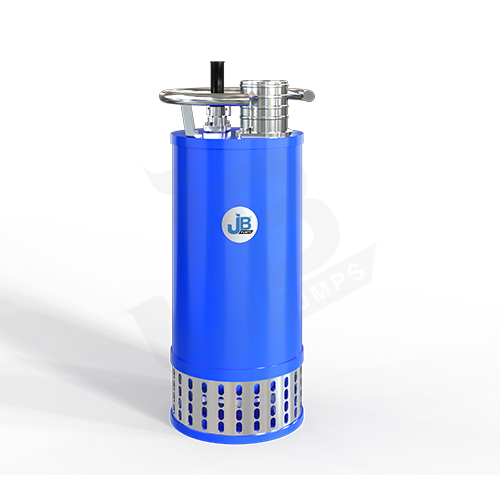
Submersible Dewatering Pump (JBDPT Series)
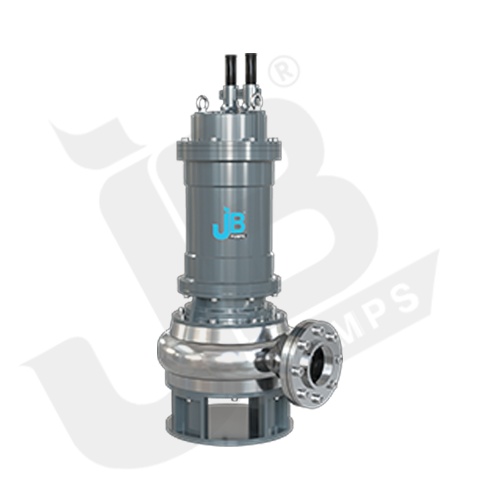
Submersible Sludge Pump
(JBSL Series)
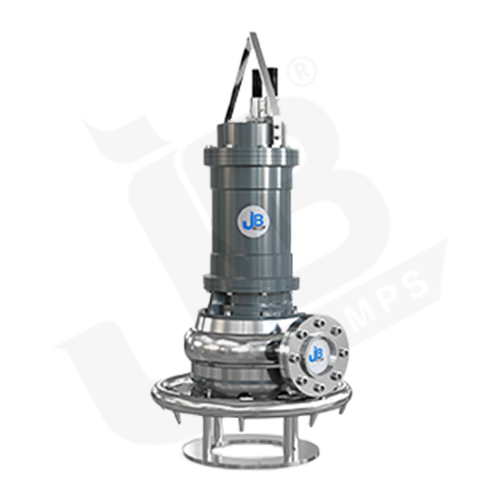
Submersible Slurry
Pump
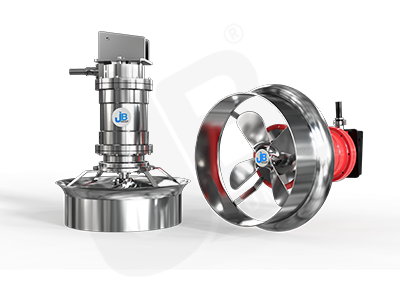
Submersible
Mixer
Common Municipal Pumping Challenges and How We Solve Them

Challenge 01

Challenge 02
Challenge 03

Challenge 04
Challenge 05

Challenge 06
Materials of Construction & Selection Parameters
| Materials of Construction | |
|---|---|
| Material | Best For |
| Cast Iron (IS 210 FG 260) | Domestic sewage, stormwater, and general municipal drainage |
| Epoxy-Coated Cast Iron | Septic wastewater and H2S-prone wet wells, subject to coating specification, surface preparation, and exposure conditions |
| SS 304 | Treated effluent and reuse water, subject to chloride level, temperature, and full material-compatibility review |
| SS 316 | CETP and chemically affected wastewater, subject to chloride level, temperature, concentration, and full material-compatibility review |
| High Chrome Iron Impeller | Grit chamber discharge, sand-laden water, and desilting applications |
| SS 410 / SS 431 Shaft | Pump shafts requiring mechanical strength and corrosion resistance, subject to the selected hydraulic and motor design |
| SiC/SiC Mechanical Seal Faces | Abrasive wastewater and sludge, subject to fluid compatibility, lubrication, and the selected seal arrangement |
| Technical Selection Parameters | |
|---|---|
| Parameter | Selection Basis |
| Flow Rate | Selected at the required duty point using the design and peak flow |
| Head | Based on total dynamic head and the system curve |
| Motor Power | Model-specific; confirm from the current product datasheet |
| Maximum Fluid Temperature | Model, seal, material, and cooling-condition dependent |
| Wastewater Chemistry | Assess pH, chlorides, chemicals, temperature, and exposure together |
| Solids Handling | Model-specific; assess free passage, particle size, fibrous content, and solids concentration |
| Insulation / Protection | Class F and IP68 where specified for the selected model; verify rated immersion conditions |
| Power Supply | Model and project-specific; confirm voltage, phase, frequency, and starting method |
Share your design and peak flow, total dynamic head, solids characteristics, wastewater chemistry, duty cycle, power supply, and wet well dimensions with our technical team. Available configurations will be confirmed against the selected model and project requirements.
Quality Standards & Compliance

Applicable Standards
IP68 Rating
ISO 9001 Quality Management
Motor Protection
Tender Documentation Support
Material Test Certificates
Why Utilities and EPC Contractors Choose JB Pumps

Wastewater Application Experience

Dedicated Tenders Desk

Application-Based Pump Selection

Configuration Options

Delivery and Rental Support

Service and Support Coordination
See Our Pumps in Action
After-Sales Service & Support

Installation & Commissioning

Spare Parts Support

Annual Maintenance Contracts

Technical Support

Pump Rental
Frequently Asked Questions
Our Recent Blogs
Pump Solutions Across Industries


Need a Submersible Pump for Your Pumping Station or Treatment Plant?
Tell us your application, design and peak flow, total dynamic head, solids characteristics, wastewater chemistry, power supply, duty cycle, and wet well details. Our technical team will assess the appropriate pump configuration and confirm delivery and after-sales support.